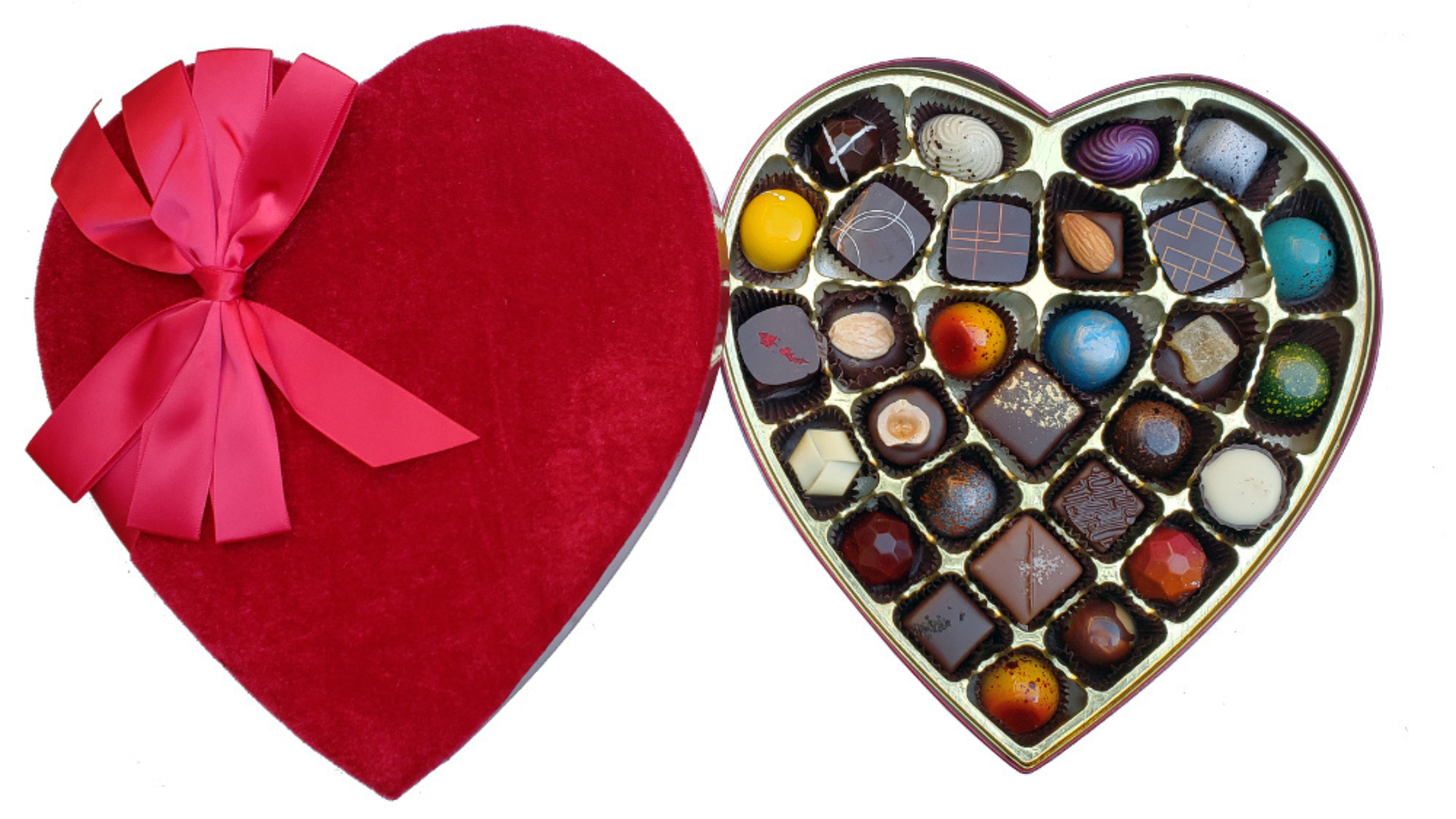
Walk into any store in early February and you'll see them: heart-shaped boxes of chocolate lined up in rows, wrapped in red foil and satin ribbon, waiting to become tokens of affection. It's a scene so familiar we rarely question it. But have you ever wondered how chocolate became the language of love? How did this tradition begin?
The answer takes us on a journey from ancient Mesoamerican wedding ceremonies to the courts of European royalty to Victorian parlors - and ultimately to your own table. It's a story of ritual, belief, social reform, and brilliant marketing. And it all begins with a drink made of cacao, water, cornmeal, and chili peppers.
When Chocolate Was Sacred: Mesoamerican Wedding Traditions
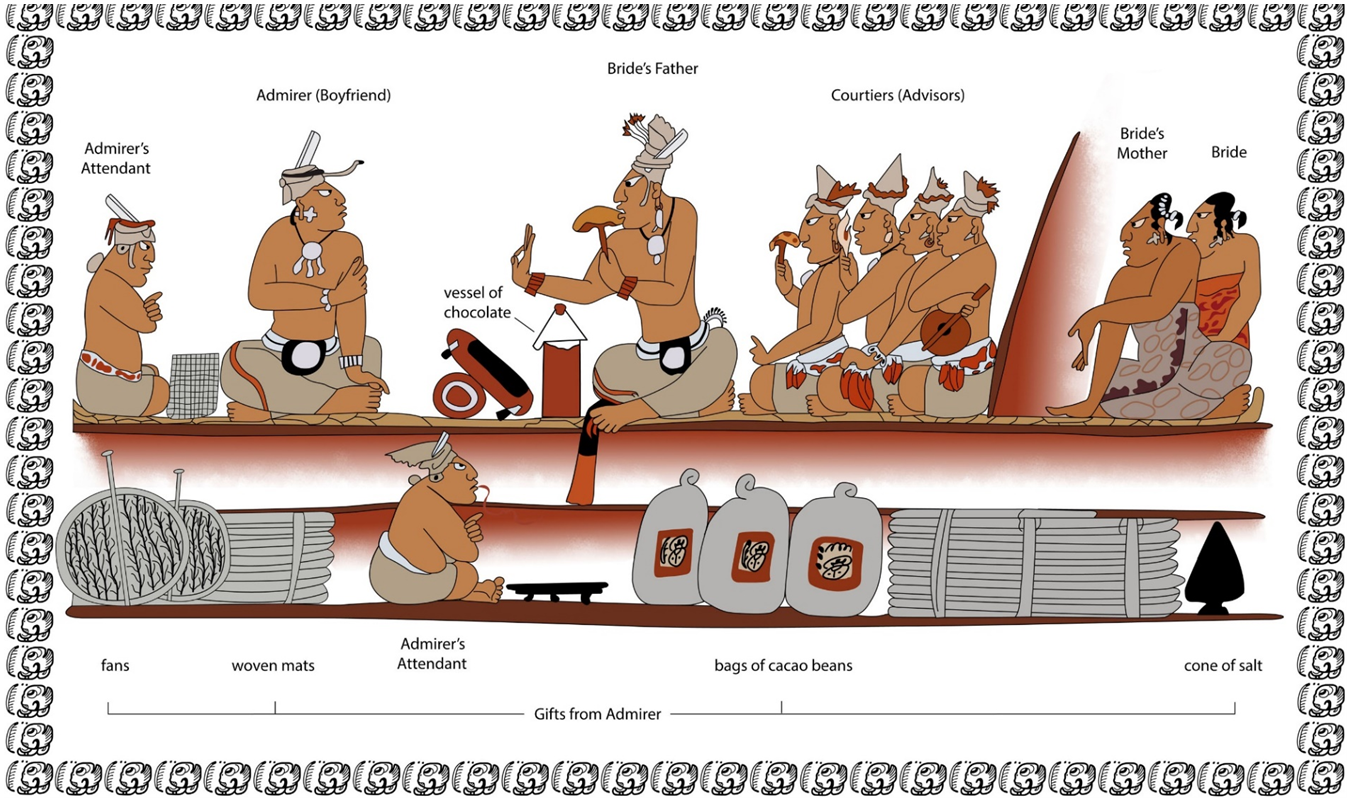
Long before chocolate came wrapped in foil, cacao held a sacred place in Mesoamerican culture. Among the Maya and Aztec peoples, cacao beans were valuable enough to serve as currency - and precious enough to mark life's most important moments.
When a marriage was formalized, a special drink was prepared: cacao mixed with water, cornmeal, Tabasco pepper, and vanilla. This foaming, spicy beverage was offered to the bride's parents as part of the marriage agreement. Cacao seeds were exchanged between families as dowry gifts, their value both monetary and symbolic. At wedding banquets and other large celebrations, cacao was given as party favors to guests - a way of sharing abundance and marking the occasion.
From the very beginning, chocolate was intertwined with connection, celebration, and the rituals that bind people together.
The Aphrodisiac Legend: From Moctezuma to European Courts
When Spanish conquistadors arrived in the Americas, they brought back more than cacao beans - they brought back stories.
Conquistador Bernal Díaz del Castillo described attending a banquet where Emperor Moctezuma drank from 50 goblets of the foaming cacao beverage throughout the evening. The drink, he wrote, was said to be "for success with women." Whether accurate or embellished, this single observation planted an idea in European minds: chocolate as an aphrodisiac.
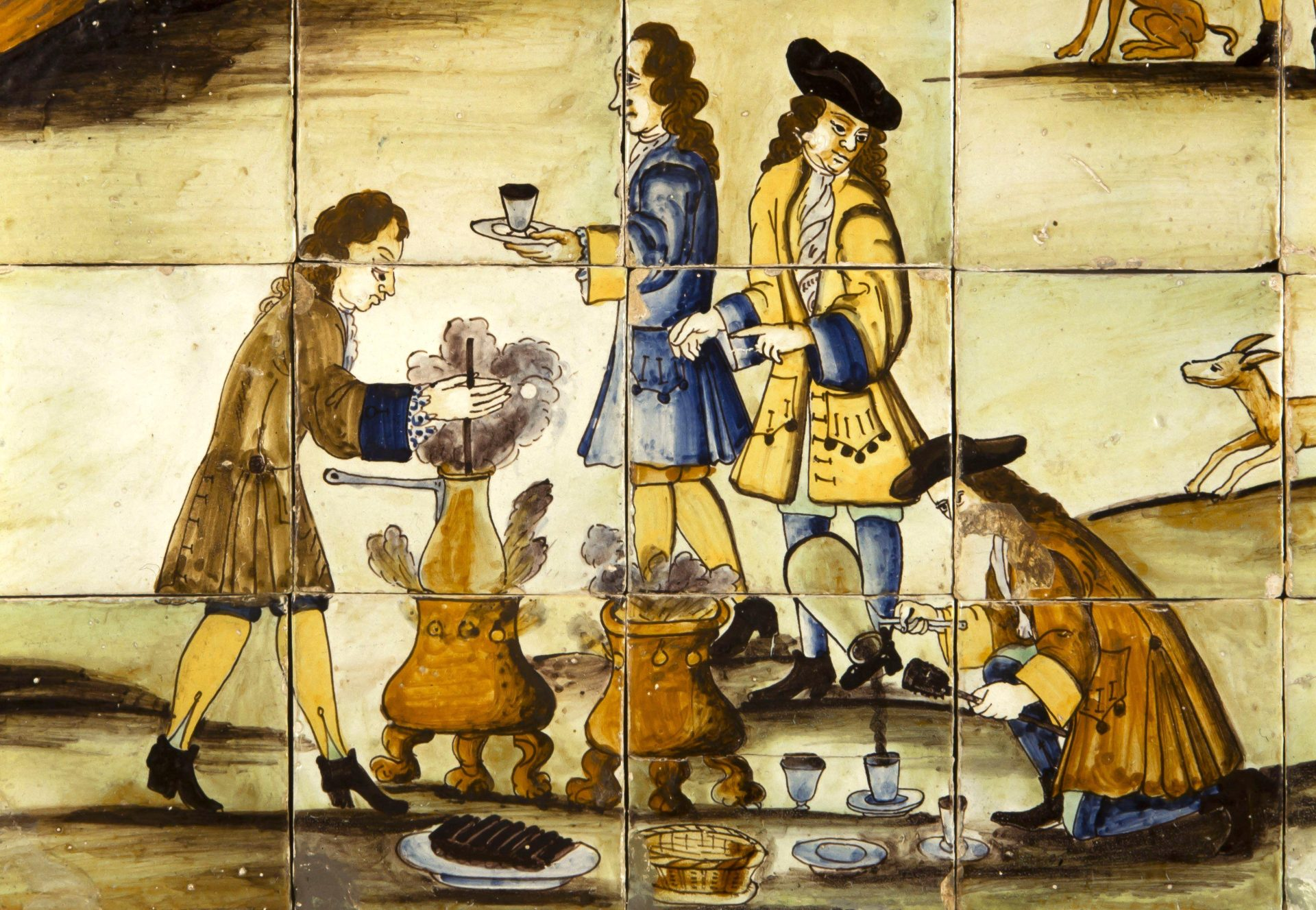
As cacao crossed the Atlantic it became the fashionable drink of European aristocracy. By the 1670s, chocolate had become a staple at the French court. The Marquise de Sévigné, whose witty letters chronicling life at Versailles remain treasured today, wrote to her ailing daughter in 1671: "Chocolate will make you feel yourself again. What will you do without a chocolatier near you?" Her letters reveal chocolate's role not just as a romantic indulgence, but as comfort, restorative, and daily pleasure.
The aphrodisiac narrative grew more elaborate. Madame du Barry, mistress of Louis XV, was said to serve chocolate mixed with amber to her lovers. The notorious Italian libertine Casanova consumed vast quantities of chocolate before his famous exploits, calling it "the elixir of love." The belief became so widespread that the story persists to this day.
There is some truth buried in the legend. Chocolate does contain phenylethylamine, the same mood-altering chemical our brains release when we fall in love. But modern science tells us it's not present in quantities that would have any physiological effect. Perhaps the real magic lies elsewhere - in centuries of belief, in the sensory pleasure of chocolate itself, and in the ritual of sharing something decadent with someone we care about.
The Victorian Transformation: How America Fell in Love with Valentine's Chocolate
By the mid-1800s, Valentine's Day was gaining popularity in the United States. The tradition of exchanging cards and gifts grew steadily, and accelerated after the Civil War as the nation sought lighter, sweeter traditions. But how did chocolate become the gift of choice?
The answer lies in a convergence of social reform and commercial innovation.
The Temperance movement was gaining strength in America. The American Temperance Society, formed in 1826, claimed over 1.25 million members by the late 1830s. The Women's Christian Temperance Union, founded in 1873, brought the movement into homes across the country. Alcohol-based courtship rituals - gatherings where spirits flowed freely - were increasingly frowned upon. Young couples and their families sought respectable alternatives for expressing affection.
Enter chocolate.
The Cadbury family of England were Quakers with strict temperance beliefs. John Cadbury had developed chocolate drinks explicitly as an alternative to alcoholic beverages, seeing it as a way to combat the poverty and social problems caused by alcohol abuse. This religious and social commitment made chocolate the perfect Valentine's gift for an era seeking sweetness without sin. In 1866 Cadbury's adopted new Dutch technology that enabled them to sell inexpensive chocolate to the masses, not only in liquid form, but as solid chocolates.
In 1868, John's son Richard Cadbury created the first decorative chocolate box, featuring a painting of his youngest daughter holding a kitten. The boxes were works of art in themselves—beautiful enough to keep long after the chocolates were eaten. Around the same time, he introduced the heart-shaped Valentine's Day box, and the connection between chocolate and romance was forever sealed. In the 1870s, Cadbury launched an even more exotic "Fancy Box," complete with silk lining and mirror—a luxurious keepsake that made chocolate gifting an experience of indulgence and romance.
The genius of Cadbury's innovation wasn't just the chocolate - it was the box itself. These beautiful containers could be repurposed to store love letters, locks of hair, pressed flowers, and other mementos. The chocolate might be consumed, but the vessel remained, a tangible reminder of affection.
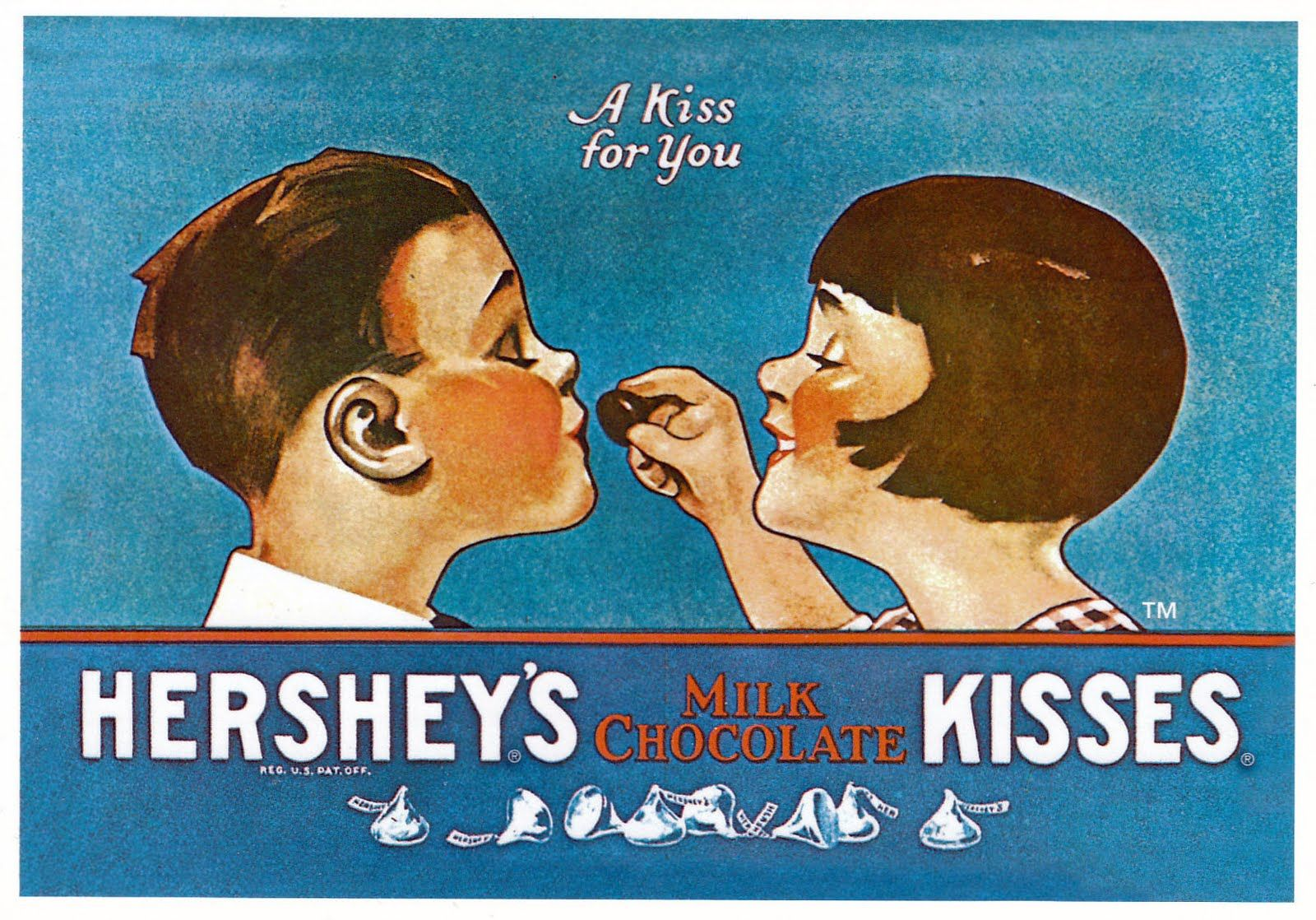
American chocolate makers quickly followed suit. In 1907, Milton Hershey introduced "Kisses," tear-drop shaped chocolates whose name likely came from either the sound the manufacturing equipment made or from the common candy industry term for small confections. Whatever its origin, the romantic name would later help cement the candy's association with Valentine's Day. Then in 1923, Russell Stover brought heart-shaped boxes to America on a wider scale, making them accessible beyond the wealthy. Their "Secret Lace Heart" box, covered in satin and black lace, became wildly popular - affordable romance for everyday Americans.
Even the chocolates themselves reflected the Temperance movement's influence. Early American chocolate cherry cordials were made with fruit soaked in sweetened alcohol, but Temperance advocates campaigned for the bright red, booze-free Maraschino variety. The substitution stuck.
Chocolate had found its perfect moment: a respectable, socially acceptable, deliciously indulgent way to express affection during an era when propriety mattered and alcohol carried moral weight.
A Tradition That Endures
From Mesoamerican wedding ceremonies to the courts of Versailles to Victorian parlors, chocolate has always been about more than taste. It's been currency and dowry, comfort and indulgence, medicine and aphrodisiac - but most consistently, it's been a way to connect.
The tradition persists because it taps into something timeless: our desire to express love through shared pleasure. Today, every February 14th, we continue a practice that stretches back centuries. Whether celebrating romantic love or gathering with friends for Galentine's festivities, chocolate remains what it's always been - a delicious excuse to connect, to pause, to savor something special with someone we care about.
Your Chocolate Journey This Valentine's Day
This year, we're offering two ways to share that connection with someone you love. Our Connection Collection brings the experience of a guided chocolate tasting right to your Valentine's or Galentine's celebration - eight specialty chocolate bars from small-batch makers worldwide (six full-size, two minis), plus access to a live virtual tasting with our Chief Chocophile, Lauren. It's chocolate as it was always meant to be: an experience to share.
For those who want the journey to continue beyond Valentine's Day, our gift memberships offer monthly curated selections of artisan chocolate, bringing the world's finest single-origin bars to your doorstep month after month.
However you choose to celebrate, you're honoring a tradition that connects us across time and culture - the simple, profound act of sharing something sweet with someone we cherish.